
Ride the Length of New Zealand – an epic cycle journey from the top to the bottom.
The Tour Aotearoa is more than just a bike ride – it’s one of the world’s truly great cycling adventures. Spanning 3,000 km from the meeting of seas at Cape Reinga in the north to the rugged shores of Bluff in the deep south, this journey takes you the full length of New Zealand through an ever-changing tapestry of landscapes.
You’ll follow an expertly crafted route linking scenic cycle trails, quiet country roads, forest tracks and remote backcountry roads – with the occasional beach ride, harbour, lake or river crossing to keep things exciting. Every day brings new terrain: smooth sealed roads, crunching gravel paths, flowing trails and wild coastal stretches.
The prime window for the tour are 1 November–20 December and 15 January–31 March…maybe a little into April.
Whether you tackle it as a personal challenge, a slow-paced journey of discovery, or a fully supported group tour, the Tour Aotearoa promises an unforgettable way to experience the beauty, variety, and spirit of New Zealand – from top to bottom.
Use the form below to express your interest – tell us where you are from, supported or self-guided, your preferred number of days riding, preferred start date and experience to date.
North Island (March 2027)


Hightlights & Sites
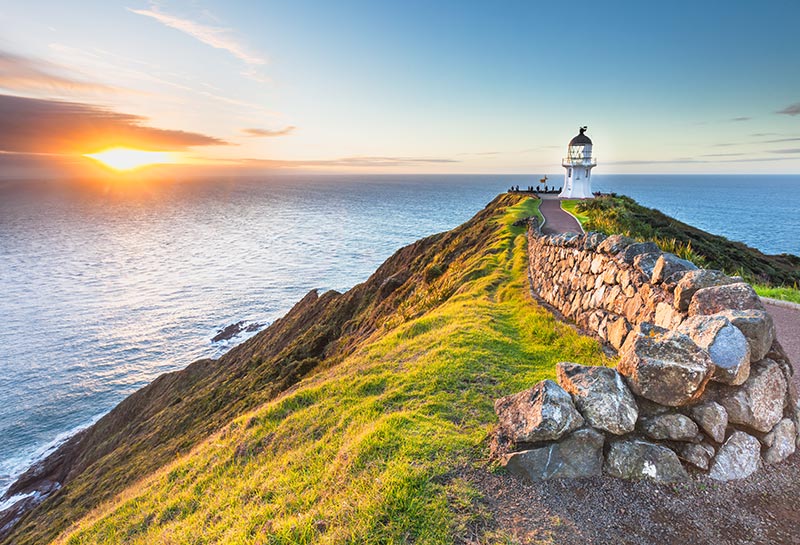
Far North: Cape Reinga, Ninety Mile Beach, NZ’s tiny church, Tane Mahuta and the Waipoua Forest, Kaipara Harbour cruise, Parakai hot springs.
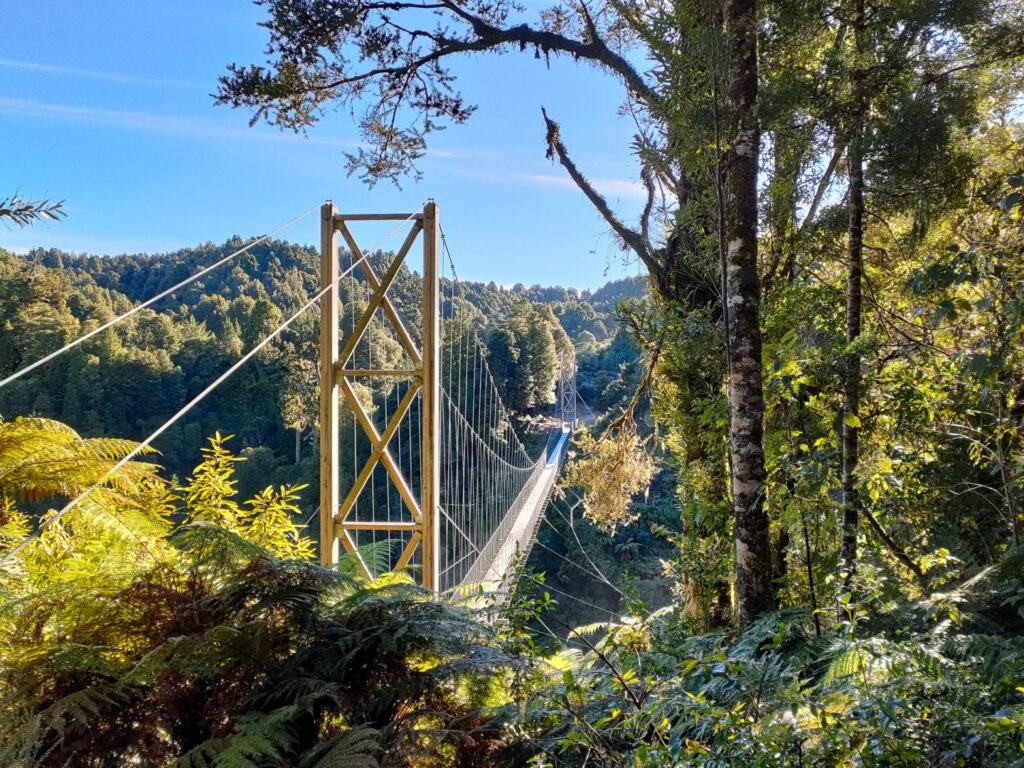
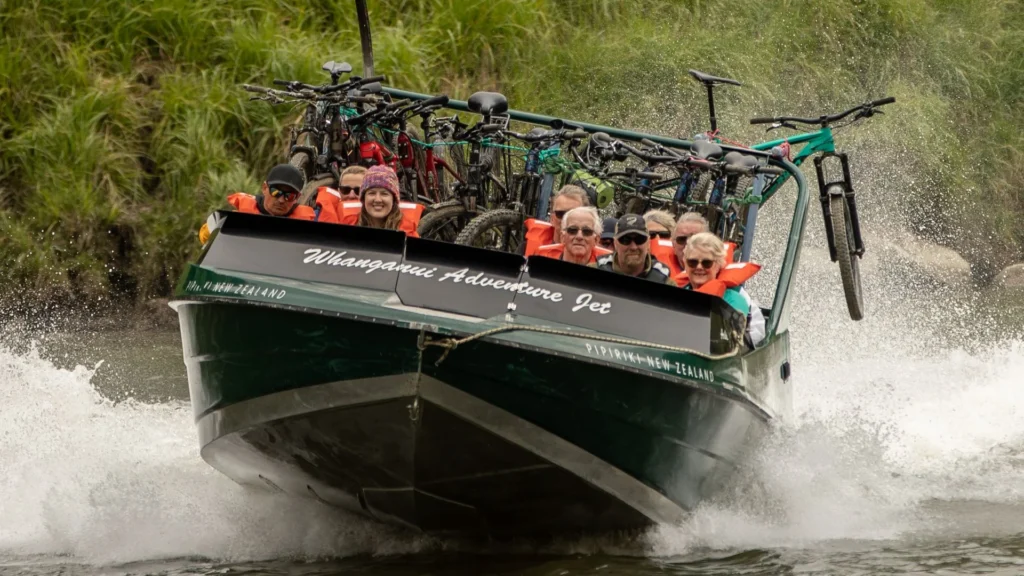
Central North: Mt Eden, coastal bird sanctuaries, Karangahake Gorge, Hobbiton, Centre of the North Island, suspension bridges and tunnel. Whanganui National Park.
Lower North Island: Manuwata. The white Kiwi, Pinots of Martinborough.
Great Rides and Cycleways Completed
Far North Cycleway, Kauri Coast Cycleway, The Hauraki Rail Trail, Waikato River Trail, The Timber Trail, Mountains to Sea, Manawatu Cycleway, Remutake Rail Trail.
South Island (February 2026)


Hightlights & Sites
North of the South: Earnest Rutherford memorial, Spooners Tunnel, Nelson Lakes, Maruia Saddle.
Central South: Pike River Memorial, Cowboy Paradise and the Kaniere water race. Fox and Franz Joseph Glaciers.
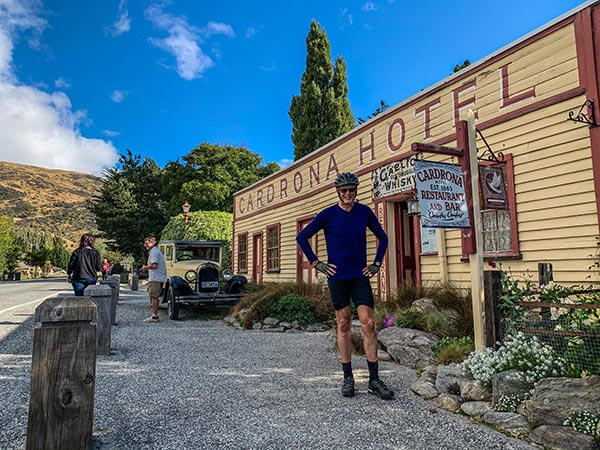
Lower South Island: Haast Pass, Kawarau Gorge and Gibbston Valley, cross Lake Whakatipu.
Great Rides and Cycleways Completed
Great Taste Trail, Pioneer Heritage Trail, West Coast Wilderness Trail, Kawarua Gorge (if complete), Queenstown Trails, Around the Mountains, Southland Traverse.
Tour Aotearoa FAQs
I’m coming from the UK or EU to do the whole TA route, what airports should I use?
Fly into Auckland and fly out of Queenstown or Christchurch.
What is the best bike for this route?
Discussed in detail here: https://trackntrail.co.nz/2024/07/26/the-tour-of-aotearoa-best-bike/
What are the main differences between supported and self guided?
Supported tours a van accompanies the riders carry luggage, snacks and tools etc. The TnT guide is there all the time. All transport, meals and accommodation are included. Group travel is generally social and convivial for most people.
In the self guided mode, you carry your gear, following route cue notes and/or GPX files to navigate. Your accommodation and transport to and from the start are managed by TnT. Food recommendations or restaurant bookings are made for you.
What are the best times to do the Tour of Aotearoa?
1 November–20 December and 15 January–31 March…maybe a little into April.
There is an official brevet which is held in February each year so best not then so as to compete for food and accommodation with the brevet riders.
Do I need travel insurance?
Yes, for cancelations, lost or stolen items and medical expatriations. Note that NZ has an accident compensation scheme that covers visitors. eg. So: if you break your arm while cycling in New Zealand, ACC will cover treatment. But you’ll still want travel insurance for things ACC doesn’t cover (e.g. trip cancellation, lost baggage, or medical evacuation to your home country).
What are the hazards or safety concerns?
The main hazard on the Tour of Aotearoa is the weather. Because New Zealand is an island nation, conditions can change quickly and dramatically. Cold is generally more of a concern than heat, so riders should be prepared with proper rain gear, warm gloves, a puffer jacket, and a woollen hat. (Ground Effect produces excellent cycling gear designed for New Zealand conditions. Soigneur Jersey for merino wool cycle jerseys).
Trail surfaces can also present challenges. Depending on the section, you may be riding on gravel roads, forest tracks, or rocky ground. Wet weather can make surfaces loose, slippery, or uneven. Some stretches follow public roads that carry large trucks, and it is important to remember that cycling in New Zealand is always on the left-hand side.
The route also passes through remote areas with no cell phone coverage and limited options for medical evacuation without specialised equipment. This list is not exhaustive, and a full hazard register will be provided before your trip.
Are there levies or visas required to enter New Zealand?
Yes. Some travellers need an NZeTA (New Zealand Electronic Travel Authority) before arriving in New Zealand. Citizens of the United Kingdom and the European Union must apply for an NZeTA, which costs NZD $17 when purchased through the official mobile app or NZD $23 when ordered via the Immigration New Zealand website. Australian citizens do not require an NZeTA.
In addition, most visitors, apart from Australian citizens, are also required to pay the International Visitor Conservation and Tourism Levy (IVL). This levy costs NZD $100 and is paid at the same time as your NZeTA or visa application. The IVL contributes directly to the protection and upkeep of New Zealand’s natural environment, including many of the conservation areas you will pass through on the Tour of Aotearoa route.
What is the largest group you can accommodate?
There’s no limit. 14-15 people might be the sweet spot.
Do I have to be an experienced rider?
Yes, some experience will be required. A new beginner may struggle. Some technical skills are required eg. cycling uphill around an S bend, or descending on rough gravel.
What’s the accommodation like?
Varied! It depends a lot on the trip. Sometimes we stay in hotels, motel, cabins at holiday parks, glamping and sometimes well-appointed lodges and sometimes posh resorts. It depends a lot on the daily stages.